


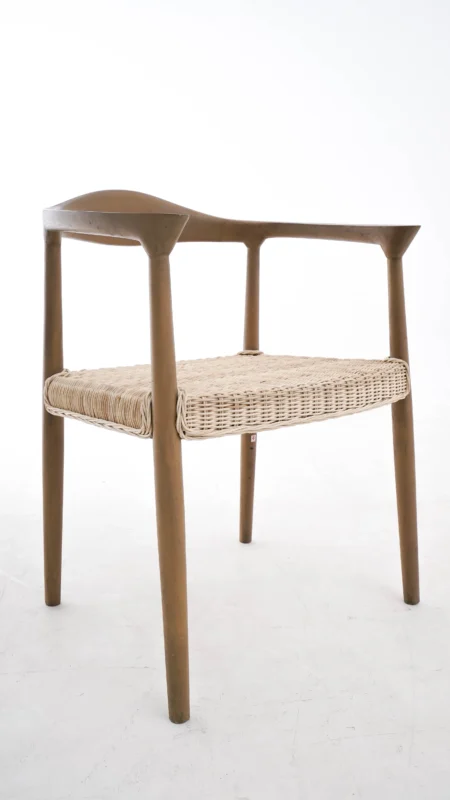
Wood furniture holds a timeless appeal, adding warmth, character, and sophistication to any space. Whether you’re outfitting a luxurious resort, a corporate office, or a high-end residential project, the investment in quality wood pieces, such as those crafted by Indonesia Green Furniture, is significant. These pieces, made from exquisite Indonesian woods like Teak, Mahogany, Mindy, and Acacia, are designed for longevity and beauty. However, even the finest furniture requires diligent care to maintain its pristine condition and lustrous finish.
One of the most common maintenance tasks for wood furniture is polishing. When done correctly, polishing can restore shine, protect the surface, and enhance the wood’s natural grain. Yet, it’s a process fraught with potential pitfalls that, if ignored, can lead to irreversible damage. Many assume polishing is a simple task, but a lack of understanding regarding techniques, products, and wood types can quickly turn a good intention into a costly mistake. For businesses and project managers making substantial investments in furniture, understanding these nuances is critical to preserving the aesthetic and structural integrity of their assets.
At Indonesia Green Furniture, we understand the value of a well-maintained piece, from its initial concept and precise execution to its long-term care. Our commitment to using high-quality, kiln-dried wood ensures a stable foundation, but the responsibility of preserving its beauty ultimately falls to proper maintenance. This article delves into the most common wood polishing mistakes that you absolutely must avoid, ensuring your furniture continues to radiate its inherent elegance for years to come.
Don’t Ruin It! 7 Common Wood Polishing Mistakes You MUST Avoid
Contents
Mistake 1: Skipping the Crucial Cleaning Step
One of the most fundamental yet frequently overlooked steps in wood polishing is thorough cleaning. Many individuals, eager to achieve a gleaming finish, dive straight into applying polish without adequately preparing the surface. This oversight is a critical error, as dust, dirt, and grime accumulate on furniture surfaces over time. These microscopic particles might seem harmless, but when polish is applied over them, they can become trapped, creating an uneven and dull appearance.
More dangerously, these trapped particles act as abrasives. As you rub the polish into the wood, the dirt and dust can scratch the finish, leaving behind fine lines and marring the surface. This not only detracts from the furniture’s aesthetic but can also compromise the protective layer, making the wood more vulnerable to future damage. Properly cleaning the surface ensures that you’re working with a smooth, uncontaminated canvas, allowing the polish to adhere evenly and deliver its intended protective and enhancing properties.
Before any polish touches your valuable wood furniture, it is imperative to remove all surface contaminants. This involves gently dusting with a soft, lint-free cloth, followed by wiping down the surface with a damp (not wet) cloth and a mild, wood-safe cleaner. For a comprehensive guide on how to prepare your furniture for polishing, we highly recommend reading our detailed article, Beyond the Shine: The Crucial Prep Steps Before Polishing Your Wood Furniture. Taking these preliminary steps ensures that your polishing efforts yield the best possible results, protecting your investment in quality furniture.
Mistake 2: Using the Wrong Polish for Your Wood Type
Just as different woods like Teak, Mahogany, Mindy, and Acacia have unique characteristics, so do their finishes and the polishes best suited for them. A significant mistake is assuming a one-size-fits-all approach to wood polish. The market offers a vast array of products, including oil-based polishes, wax-based polishes, and silicone-based sprays, each designed for specific applications and finishes. Using an incompatible polish can lead to disastrous results, such as a sticky residue, a hazy film, or even damage to the existing finish.
For instance, an oil-based polish might be excellent for nourishing dry wood and penetrating an oil finish, enhancing its natural luster. However, applying it to a lacquered or varnished surface can create a greasy film that attracts dust and smudges, rather than providing a clean shine. Similarly, some modern finishes are highly resistant to traditional waxes, and applying wax can result in a buildup that is difficult to remove and dulls the surface over time. Understanding the type of wood and its specific finish is paramount to selecting the correct product.
Before reaching for any polish, take a moment to identify the wood type and, more importantly, the finish on your furniture. Is it a natural oil finish, a protective lacquer, a durable varnish, or perhaps a more contemporary sealant? If unsure, consult the manufacturer’s recommendations or test the polish on an inconspicuous area first. For high-quality furniture from Indonesia Green Furniture, which features diverse materials and finishes, understanding these distinctions ensures the long-term beauty and integrity of your investment. Always match the polish to the finish, not just the wood.
Mistake 3: Over-Polishing or Applying Too Much Product
In the quest for a brilliant shine, many fall victim to the misconception that more polish equates to better results. This couldn’t be further from the truth. Over-polishing or applying an excessive amount of product is a common mistake that can actually diminish the beauty of your wood furniture. When too much polish is used, especially with wax or silicone-based products, it creates a thick, sticky residue on the surface. This residue doesn’t just look unattractive; it acts as a magnet for dust, dirt, and airborne particles, leading to a dull, hazy film over time.
This unwanted buildup not only obscures the natural beauty of the wood, such as the rich grains of Teak or the deep tones of Mahogany, but it can also be incredibly difficult to remove without potentially damaging the underlying finish. Furthermore, the constant reapplication of excessive polish can lead to an uneven surface, with some areas appearing thicker or cloudier than others. The goal of polishing is to enhance and protect, not to create a new layer of gunk.
The key to effective polishing is moderation. A small amount of polish, applied thinly and evenly, is far more effective than a generous dollop. Always follow the product instructions, which typically recommend using a minimal amount of polish on a soft cloth and working it into the wood in small sections. Remember, wood furniture benefits from a light touch and consistent care, not an overwhelming application of product. Less is truly more when it comes to maintaining the exquisite finish of your furniture.
Mistake 4: Ignoring the Grain Direction
Ignoring the natural grain direction of the wood during polishing is a subtle yet significant mistake that can compromise the finish and overall aesthetic of your furniture. Wood grain refers to the distinctive patterns created by the arrangement of wood fibers. When you polish against the grain, you’re essentially working against the natural flow of these fibers. This can lead to several undesirable outcomes, including visible streaks, an uneven shine, and even microscopic scratches that accumulate over time.
Polishing against the grain can push dust and polish particles into the tiny pores and crevices of the wood, making it difficult to achieve a smooth, uniform finish. The polish won’t settle properly, resulting in a streaky appearance that highlights the improper application rather than the wood’s beauty. Furthermore, the friction created by rubbing against the grain can, over repeated applications, contribute to fine abrasions on the surface, dulling the finish and making it more susceptible to damage.
To ensure a flawless finish, always apply polish in the direction of the wood grain. This technique allows the polish to penetrate evenly, enhancing the natural patterns and creating a consistent, streak-free shine. Use gentle, overlapping strokes, working systematically across the surface. This meticulous approach is especially important for furniture crafted from distinctive woods like Teak or Mindy, where the grain is a significant part of its charm. Adhering to the grain direction ensures that your polishing efforts truly bring out the best in your wood furniture, preserving its inherent elegance.
Mistake 5: Using Abrasive Cloths or Tools
The choice of applicator is just as crucial as the polish itself, yet many overlook the potential damage caused by using inappropriate cloths or tools. A common mistake is reaching for whatever rag is conveniently available, which often includes old t-shirts, paper towels, or cloths made from rough, synthetic fibers. While these might seem harmless, they can be highly abrasive to delicate wood finishes. The rough texture can create fine scratches on the surface, particularly with repeated use, leading to a dull, marred appearance over time.
Paper towels, for instance, are designed to absorb liquids and often have a coarse texture that can leave behind tiny fibers and micro-scratches on polished surfaces. Similarly, cloths with stiff seams or embedded debris can act like sandpaper, slowly eroding the protective layer of your furniture. These minor abrasions might not be immediately noticeable, but they accumulate, eventually compromising the integrity of the finish and requiring more extensive restoration work down the line.
To prevent this, always use soft, clean, lint-free cloths specifically designed for furniture care. Microfiber cloths are an excellent choice as they are gentle, highly absorbent, and effective at picking up dust and applying polish without scratching. Ensure the cloth is free from any tags, buttons, or embellishments that could inadvertently scratch the surface. By using the right tools, you protect the investment made in high-quality furniture, ensuring the finish remains pristine and reflects the craftsmanship of pieces from Indonesia Green Furniture.
Mistake 6: Forgetting About Kiln-Dried Wood’s Specific Needs
For businesses investing in high-quality furniture, understanding the properties of the materials used is paramount. At Indonesia Green Furniture, we pride ourselves on using kiln-dried wooden material for our indoor furniture, ensuring stability and durability. Our wood has specific moisture content (MC) levels: 1-2 cm thickness at MC 12%-15%, 3-4 cm thickness at MC 16%-18%, and 5 cm thickness and up at MC 19%-20%. This meticulous process greatly reduces the risk of warping, cracking, or shrinking. However, improper polishing can inadvertently undermine these benefits.
A common mistake is using water-based polishes or applying excessive moisture to kiln-dried wood, especially without proper ventilation. While kiln-drying minimizes the wood’s tendency to absorb moisture, it doesn’t make it impervious. Introducing too much liquid can temporarily increase the surface moisture content, potentially leading to swelling or altering the finish’s adherence. This is particularly problematic in environments with fluctuating humidity, as the wood tries to equilibrate, causing stress on the finish.
Furthermore, using polishes that create a thick, non-breathable layer can trap existing moisture within the wood or prevent the wood from naturally adjusting to ambient humidity. This can lead to issues like blistering or hazing of the finish over time. For furniture crafted from carefully prepared materials like Teak, Mahogany, or Mindy, it’s crucial to select polishes that complement the wood’s inherent stability and allow it to breathe. Opt for polishes that are specifically designed for finished wood and apply them sparingly, allowing the wood to maintain its optimal moisture balance, a testament to the quality provided by Indonesia Green Furniture.
Mistake 7: Neglecting Regular Maintenance and Long-Term Care
The final, yet equally critical, mistake is viewing polishing as a one-off event rather than an integral part of a continuous maintenance routine. Many individuals polish their furniture only when it starts to look dull or neglected, which is often too late to prevent minor issues from becoming major problems. Polishing provides a protective layer that helps shield the wood from dust, spills, and minor abrasions. When this layer is allowed to degrade completely before reapplying, the underlying wood and its finish become vulnerable to damage.
Neglecting regular maintenance not only means losing the protective benefits of polish but also allows dirt, grime, and environmental pollutants to build up and bond more strongly with the furniture’s surface. This makes subsequent cleaning and polishing much more challenging, often requiring harsher products or more vigorous scrubbing that can further damage the finish. Consistent, gentle care is far more effective and less damaging than infrequent, intensive interventions.
To ensure the longevity and beauty of your wood furniture, incorporate polishing into a regular maintenance schedule. This doesn’t mean polishing every week, but rather dusting frequently and applying polish as needed, perhaps every few months, depending on usage and environmental factors. For detailed guidance on maintaining the luster of your furniture, explore our article Keep the Glow Going: Daily Habits & Long-Term Care for Polished Wood Furniture. A consistent approach to care, much like the precision in manufacturing at Indonesia Green Furniture, ensures your investment remains visually stunning and structurally sound for decades.
Beyond the Basics: Expert Tips for Lasting Shine
Understanding Your Furniture’s Finish
True expertise in furniture care stems from a deep understanding of the materials and finishes involved. Before you even consider polishing, it’s crucial to identify the type of finish on your wood furniture. Common finishes include lacquer, varnish, shellac, polyurethane, and oil finishes. Each of these interacts differently with various cleaning agents and polishes. For instance, an oil finish benefits from oil-based polishes that nourish the wood, while a polyurethane finish primarily needs surface protection and might be best served by a wax or silicone-free polish.
Mistaking a lacquer for an oil finish, or vice versa, can lead to applying a product that either doesn’t provide the intended protection or, worse, chemically reacts with the finish, causing clouding, softening, or even stripping. Manufacturers like Indonesia Green Furniture, who specialize in diverse furniture types from reclaimed to teak branch furniture, apply specific finishes tailored to the wood type and intended use. Understanding these nuances helps you choose compatible products that enhance, rather than degrade, the furniture’s original protective layer.
If you’re unsure about the finish type, a discreet spot test in an unnoticeable area is always recommended. A small drop of mineral spirits or denatured alcohol can sometimes indicate the finish type by its reaction, but caution is advised. Ultimately, consulting the manufacturer’s care instructions or seeking professional advice is the safest approach to ensure you’re using products that are harmonious with your furniture’s protective coating. This foundational knowledge is key to preserving the aesthetic and structural integrity of your valuable assets.
Eco-Friendly Polishing Alternatives
In today’s environmentally conscious world, many businesses and individuals are seeking sustainable solutions even for furniture care. The good news is that maintaining a beautiful shine on your wood furniture doesn’t always require harsh chemicals or synthetic products. There are numerous eco-friendly and natural polishing alternatives that can be just as effective, often safer for both your furniture and the environment. These options typically utilize ingredients found in nature, reducing exposure to volatile organic compounds (VOCs) and minimizing your ecological footprint.
Common natural ingredients for wood polish include olive oil, beeswax, lemon juice, and vinegar. For example, a simple mixture of olive oil and lemon juice can create a nourishing polish that cleans and shines, while beeswax provides a protective, water-resistant layer. These natural remedies not only avoid harsh chemicals but can also impart a subtle, pleasant aroma. They are particularly appealing for furniture used in hospitality settings or projects where a commitment to green practices is a priority.
For those interested in exploring these sustainable options, we have compiled a comprehensive guide on creating your own natural wood polishes. Discover how easy it is to protect your furniture while being kind to the planet by visiting our article, Go Green! DIY & Natural Wood Polishes You Can Make at Home. Embracing these alternatives aligns perfectly with the ethos of Indonesia Green Furniture, where sustainability and quality craftsmanship go hand-in-hand.
Partnering for Perfection: The Indonesia Green Furniture Difference
At Indonesia Green Furniture, we understand that furniture for projects and usage is more than just an aesthetic choice; it’s a significant investment in quality, durability, and design. As a full-services furniture manufacture company, we embark from concept and carry into precise execution, ensuring every piece meets the highest standards. Our vast experience in furniture manufacturing, coupled with our deep knowledge of materials and finishes, means we build furniture that is not only beautiful but also designed for lasting performance, provided it receives appropriate care.
Our commitment to excellence begins with the sourcing of premium Indonesian woods like Teak, Mahogany, Mindy, and Acacia, all meticulously kiln-dried to optimal moisture content levels to ensure stability and resilience. This foundational quality means that when you invest in our furniture, you are acquiring pieces that are inherently robust and responsive to proper maintenance, making your polishing efforts truly worthwhile. We offer CAD furniture design services, transforming your concepts into workable, sturdy, and beautiful designs that are built to withstand the rigors of commercial use.
We work closely with our B2B clients to specify the correct materials and finishing, ensuring our furniture meets unique requirements within budget and timeframes. Our rigorous approval process, including design samples before mass production, guarantees that every order is crafted to your exact specifications. By partnering with Indonesia Green Furniture, you choose a manufacturer that values quality from the ground up, making the ongoing care and polishing of your furniture a rewarding endeavor that preserves its inherent value and beauty for years to come.
Mastering the art of wood polishing is about more than just making furniture shine; it’s about preserving the integrity and longevity of your valuable investments. By understanding and avoiding these common mistakes, you can ensure that your wood furniture, especially high-quality pieces from Indonesia Green Furniture, retains its exquisite beauty and serves its purpose for decades. Remember, proper care reflects the quality of the initial craftsmanship.
For further insights into maintaining your furniture, we invite you to explore our comprehensive guide on How to Polish Wood Furniture. Taking the time to learn and apply these expert techniques will protect your furniture, enhance its natural beauty, and ultimately extend its lifespan, ensuring it remains a cherished asset in your projects or spaces.
As you plan your next furniture acquisition, remember that quality and care go hand-in-hand. Partner with Indonesia Green Furniture for pieces that embody superior craftsmanship and enduring design. Take advantage of our New Year 2026 25% off promo on all orders! For more information and to discuss your project needs, please contact us via Jivochat. Our expert team is ready to assist you in bringing your design concepts to life with precision and unparalleled quality.
