



Jepara Wooden Furniture – Why they are so popular Indonesia is globally referred to as the producer of top quality wooden furniture. The high quality at affordable cost is the primary hallmark of furnishing products produced from this country. I will be discussing this great business from Indonesia here in this article, as this is […]
Tag Archives: Reclaimed Recycle Furniture
Procurement teams seeking durable, low-carbon architectural solutions prioritize Reclaimed Recycle Furniture to fulfill stringent ESG compliance mandates and high-traffic hospitality specifications. Specifying Reclaimed Recycle Furniture converts salvaged structural ironwood, decommissioned Javanese timber buildings, and vintage fishing vessels into dimensionally stable commercial furniture.
Wisanka Indonesia operates primary processing facilities in Jepara, Central Java. Since 1993, company refines timber salvage supply chains to deliver institutional-grade eco-friendly furniture directly to global commercial developers, volume importers, and retail brand owners.
Engineering Standards for Reclaimed Recycle Furniture
Commercial specification demands rigorous raw material sorting. Salvaged timber contains unpredictable moisture gradients, embedded ferrous fasteners, and surface calcification. Indonesian production lines mitigate material failure through standardized processing stages:
1. Ferrous Extraction & Scanning: High-sensitivity metal detectors locate embedded hand-forged nails, iron bolts, and industrial spikes common in demolition beams. Hand removal preserves saw blades and prevents dark oxidation spots around metal pockets.
2. Precision De-nailing & Resawing: Technicians true rough lumber faces while preserving original surface patina, saw marks, and mortise-tenon pockets.
3. De-infestation and Kiln Stabilization: Aged structural beams retain internal moisture pockets. Secondary kiln drying brings core moisture content (MC) to 8%–12% for export to North American and European HVAC environments.
4. Resin-Mortise Consolidation: Structural voids receive tinted industrial epoxy or butterfly joint stabilization to ensure planar shear resistance under commercial loading cycles.
“`
Salvaged Wood Log -> Metal Detection -> Kiln Dry (8-12% MC) -> Mortise Fill -> Structural Joinery
“`
Material Performance: Salvaged Timber vs Commercial Alternatives
Material selection directly impacts procurement budgets, surface longevity, and lifecycle carbon metrics. Data below benchmarks primary core woods utilized across Indonesian export facilities:
Material Classification
Primary Origin
Average Core MC (%)
Janka Hardness (lbf)
Embodied Carbon
Typical Contract Application
Reclaimed Teak (Demolition)
Vintage Javanese houses, bridges, warehouses
8% – 12% (Post-Kiln)
1,050 – 1,150
Ultra-Low (Salvaged biomass)
High-traffic dining tables, hospitality case goods
Recycled Boat Wood
Decommissioned fishing boats
10% – 14%
1,000 – 1,100
Ultra-Low (Industrial reuse)
Accent panels, expressive wall units, bar counters
Salvaged Root & Branch Wood
Farm clearings, deadfall roots
10% – 12%
900 – 1,050
Low (Diverted agricultural waste)
Sculptural consoles, organic accent tables
Standard Plantation Teak
Managed state plantations (Perhutani)
12% – 14%
1,000
Moderate (Harvest & logistics overhead)
Standard serial production, outdoor lounge collections
Curated B2B Topic Clusters: Sourcing and Structural Design
This tag archive aggregates specialized implementation briefs for interior designers, wholesale specifiers, and hotel procurement leads:
Structural Integrity and Wood Selection
Salvaged wood requires distinct engineering parameters compared to green lumber. Articles under this hub evaluate natural resin concentrations in aged teak, resistance to rot, and techniques for screening timber integrity before structural assembly. Specifiers learn methods to separate cosmetic surface wear from internal grain rot.
Modern Architectural Integration
Contemporary commercial interiors require refined silhouettes rather than rustic cliches. Curated resources demonstrate joining industrial powder-coated aluminum, clean glass, and brass accents with centuries-old timber boards. Design teams leverage these guides to balance rustic texture with minimalist retail design standards.
Surface Treatment and Maintenance Protocols
Raw salvaged lumber absorbs industrial food oils, chemical cleansers, and UV radiation unevenly. Guides within this archive benchmark matte polyurethane coatings, natural oil rubs, food-safe conversion varnishes, and commercial-grade pigment washes designed to preserve authentic wood character without sacrificing wipe-down sanitation standards.
Technical Procurement FAQ for Commercial Buyers
How do kiln-drying standards apply to reclaimed teak?
Aged timber reaches ambient equilibrium in tropical environments, often resting at 15%–18% moisture content. Without controlled secondary kiln drying, timber shrinks, twists, or splits when installed inside heated, climate-controlled commercial buildings. Export-grade orders undergo secondary kiln cycles targeting 8%–12% MC.
What certifications verify legal compliance for salvaged Indonesian timber?
Export shipments must comply with Indonesia’s mandatory timber legality assurance system (SVLK/V-Legal). Reclaimed timber utilizes certified V-Legal declarations verifying materials derive from legitimate demolition, municipal dismantling, or registered salvage yards rather than illicit natural forest logging.
Can custom hospitality dimensions be engineered from irregular recycled stock?
Yes. Production teams laminate matched historical planks onto finger-jointed cores or use concealed mechanical steel under-mounts to build consistent 3-meter to 5-meter conference and dining tables. This preserves surface patina while meeting contract dimensional tolerances.
Secure Commercial Production Through Wisanka Indonesia
Managing supply risks across global supply chains requires dependable manufacturing partners. Indonesia Green Furniture Manufacturer delivers enterprise-grade quality control, container-load packing standards, and full SVLK legal documentation across global logistics networks. Contact the engineering desk in Jepara to request timber moisture compliance audits, custom material samples, and direct B2B pricing schedules.

01
Nov
Indonesia Green Furniture – Reclaimed & Recycle Furniture – Natural Wood Furniture The most practical way to burn wood using only varnish or plitur natural wood furniture. This type of wood finishing material has many variants. some use water or thinner solvents. Now in addition to using varnish, how to burn can also be done […]

25
Oct
Reclaimed Furniture – Recycle Furniture – Unique Furniture Modern and minimalist home designs are often combined with unique furniture that is designed similar to a harmonious home interior and has a red string design. If you look at restaurants and hotels that have sprung up using this, the furniture that is used has the impression […]

12
Oct
Indonesia Green Furniture – Reclaimed Furniture – Recycle Furniture Using recycled teak wood has both aesthetic and environmental benefits, being a good choice for making interiors in your room, furniture furniture, and home interiors. A number of workshops and even furniture companies make use of recycle or reprocess teak and offer a variety of products […]

17
Sep
Indonesia Green Furniture | Reclaimed and Recycle Furniture | Recycle Furniture Modern and minimalist home designs are often combined with furniture with similar designs to create a harmonious home interior and has a red thread of design Reclaimed Furniture. If you observe in the restaurants and hotels that have sprung up lately, the furniture that […]

09
Sep
INDONESIA GREEN FURNITURE | RECLAIMED AND RECYCLE FURNITURE MANUFACTURER Making recycle furniture Something Happiness separately when we can give ‘the opportunity of life’ for the second, third, and so on, to goods or objects that have been removed by others and even have no elements that can be used for useful items. That’s what we […]

31
Aug
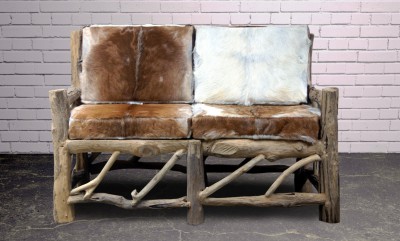
Indonesia Green Furniture | Green Furniture | Reclaimed Furniture Teak wood furniture is already guaranteed as a material for making reclaimed furniture that has its own advantages. It is undeniable, all products made of teak wood are definitely referred to as high-quality furniture products. Teak wood is a type of wood that has fine fibers […]
23
Aug
Indonesia Green Furniture | Reclaimed and Recycle Furniture Along with the increasing public awareness of the environment around them, seeing a item around us raises an idea and inspiration to contribute in saving and protecting the earth from environmental damage and everything that smells of recycling is now increasingly interested in the community to produce […]
Procurement teams seeking durable, low-carbon architectural solutions prioritize Reclaimed Recycle Furniture to fulfill stringent ESG compliance mandates and high-traffic hospitality specifications. Specifying Reclaimed Recycle Furniture converts salvaged structural ironwood, decommissioned Javanese timber buildings, and vintage fishing vessels into dimensionally stable commercial furniture.
Wisanka Indonesia operates primary processing facilities in Jepara, Central Java. Since 1993, company refines timber salvage supply chains to deliver institutional-grade eco-friendly furniture directly to global commercial developers, volume importers, and retail brand owners.
Engineering Standards for Reclaimed Recycle Furniture
Commercial specification demands rigorous raw material sorting. Salvaged timber contains unpredictable moisture gradients, embedded ferrous fasteners, and surface calcification. Indonesian production lines mitigate material failure through standardized processing stages:
1. Ferrous Extraction & Scanning: High-sensitivity metal detectors locate embedded hand-forged nails, iron bolts, and industrial spikes common in demolition beams. Hand removal preserves saw blades and prevents dark oxidation spots around metal pockets.
2. Precision De-nailing & Resawing: Technicians true rough lumber faces while preserving original surface patina, saw marks, and mortise-tenon pockets.
3. De-infestation and Kiln Stabilization: Aged structural beams retain internal moisture pockets. Secondary kiln drying brings core moisture content (MC) to 8%–12% for export to North American and European HVAC environments.
4. Resin-Mortise Consolidation: Structural voids receive tinted industrial epoxy or butterfly joint stabilization to ensure planar shear resistance under commercial loading cycles.
```
Salvaged Wood Log -> Metal Detection -> Kiln Dry (8-12% MC) -> Mortise Fill -> Structural Joinery
```
Material Performance: Salvaged Timber vs Commercial Alternatives
Material selection directly impacts procurement budgets, surface longevity, and lifecycle carbon metrics. Data below benchmarks primary core woods utilized across Indonesian export facilities:
| Material Classification | Primary Origin | Average Core MC (%) | Janka Hardness (lbf) | Embodied Carbon | Typical Contract Application |
|---|---|---|---|---|---|
| Reclaimed Teak (Demolition) | Vintage Javanese houses, bridges, warehouses | 8% – 12% (Post-Kiln) | 1,050 – 1,150 | Ultra-Low (Salvaged biomass) | High-traffic dining tables, hospitality case goods |
| Recycled Boat Wood | Decommissioned fishing boats | 10% – 14% | 1,000 – 1,100 | Ultra-Low (Industrial reuse) | Accent panels, expressive wall units, bar counters |
| Salvaged Root & Branch Wood | Farm clearings, deadfall roots | 10% – 12% | 900 – 1,050 | Low (Diverted agricultural waste) | Sculptural consoles, organic accent tables |
| Standard Plantation Teak | Managed state plantations (Perhutani) | 12% – 14% | 1,000 | Moderate (Harvest & logistics overhead) | Standard serial production, outdoor lounge collections |
Curated B2B Topic Clusters: Sourcing and Structural Design
This tag archive aggregates specialized implementation briefs for interior designers, wholesale specifiers, and hotel procurement leads:
Structural Integrity and Wood Selection
Salvaged wood requires distinct engineering parameters compared to green lumber. Articles under this hub evaluate natural resin concentrations in aged teak, resistance to rot, and techniques for screening timber integrity before structural assembly. Specifiers learn methods to separate cosmetic surface wear from internal grain rot.
Modern Architectural Integration
Contemporary commercial interiors require refined silhouettes rather than rustic cliches. Curated resources demonstrate joining industrial powder-coated aluminum, clean glass, and brass accents with centuries-old timber boards. Design teams leverage these guides to balance rustic texture with minimalist retail design standards.
Surface Treatment and Maintenance Protocols
Raw salvaged lumber absorbs industrial food oils, chemical cleansers, and UV radiation unevenly. Guides within this archive benchmark matte polyurethane coatings, natural oil rubs, food-safe conversion varnishes, and commercial-grade pigment washes designed to preserve authentic wood character without sacrificing wipe-down sanitation standards.
Technical Procurement FAQ for Commercial Buyers
How do kiln-drying standards apply to reclaimed teak?
Aged timber reaches ambient equilibrium in tropical environments, often resting at 15%–18% moisture content. Without controlled secondary kiln drying, timber shrinks, twists, or splits when installed inside heated, climate-controlled commercial buildings. Export-grade orders undergo secondary kiln cycles targeting 8%–12% MC.
What certifications verify legal compliance for salvaged Indonesian timber?
Export shipments must comply with Indonesia's mandatory timber legality assurance system (SVLK/V-Legal). Reclaimed timber utilizes certified V-Legal declarations verifying materials derive from legitimate demolition, municipal dismantling, or registered salvage yards rather than illicit natural forest logging.
Can custom hospitality dimensions be engineered from irregular recycled stock?
Yes. Production teams laminate matched historical planks onto finger-jointed cores or use concealed mechanical steel under-mounts to build consistent 3-meter to 5-meter conference and dining tables. This preserves surface patina while meeting contract dimensional tolerances.
Secure Commercial Production Through Wisanka Indonesia
Managing supply risks across global supply chains requires dependable manufacturing partners. Indonesia Green Furniture Manufacturer delivers enterprise-grade quality control, container-load packing standards, and full SVLK legal documentation across global logistics networks. Contact the engineering desk in Jepara to request timber moisture compliance audits, custom material samples, and direct B2B pricing schedules.