



Indonesia Green Furniture – Recycled Furniture – Reclaimed Furniture recycled furniture In the current development of residual processed products is a problem for each producer to carry out their business in certain fields such as in the field of wood that has waste from the residual use which can no longer be used to be […]
Tag Archives: Reclaimed Furniture Manufacturers
Strategic Sourcing Guide: Vetting Reclaimed Furniture Manufacturers
Sourcing bulk inventory through dedicated reclaimed furniture manufacturers allows commercial buyers, interior designers, and hospitality procurement teams to secure authentic, character-rich timber without compromising structural longevity. As international demand for sustainable timber solutions surges, commercial purchasers face a crowded marketplace of suppliers offering varying levels of authenticity, material traceability, and industrial seasoning standards.
Navigating the circular timber market requires looking past rustic surface aesthetics. Sourcing high-performing salvage timber requires partnering with production facilities that treat discarded wood through strict moisture balancing, metal-extraction protocols, and precision joinery.
This tag archive compiles our core technical guides, material comparisons, and manufacturing insights to guide procurement decisions for residential lines, boutique hotel fit-outs, or retail rollouts.
“`
[Raw Salvage Inflow] (Old Buildings, Demolished Houses, Decommissioned Boats)
│
▼
[Manual De-Nailing & Metal Detection]
│
▼
[Kiln-Drying & Moisture Balancing (8%–12% MC)]
│
▼
[Structural Joinery & Precision Dimensioning]
│
▼
[Export-Ready Finishing & SVLK Auditing]
“`
Essential Criteria for Evaluating Industrial Wood Reclaimers
Selecting reliable reclaimed furniture manufacturers demands strict operational audits. Secondary wood possesses internal stress patterns, hidden fasteners, and fluctuating moisture content from decades of environmental exposure. Industrial-scale processors mitigate these risks through structured staging:
1. Documented Timber Provenance: Reliable processors document origin chains, verifying whether lumber originates from dismantled Javanese structures, decommissioned fishing perahus, or certified infrastructure salvage under Indonesia’s SVLK legal timber verification framework.
2. Standardized Kiln Conditioning: Salvaged teak and hardwood must undergo controlled re-drying down to an export-safe 8%–12% moisture range to prevent warping across disparate export climates.
3. Hardware Extraction Protocols: Industrial workshops utilize multi-stage metal detection to locate oxidized iron nails, bolts, and mortise pins before machining, preserving tool edges and ensuring smooth internal structural bonds.
4. Adaptive Structural Joinery: Master carpenters utilize traditional mortise-and-tenon construction alongside modern marine polyurethane adhesives, accommodating organic expansion gaps inherent in aged timber.
Comparative Evaluation: Salvage Teak vs. Virgin Plantation vs. Composite Alternatives
Procurement decisions balance sustainability credentials, unit durability, and volume lead times. The following comparison highlights performance factors across commercial material selections:
Evaluation Factor
Reclaimed Teak (Salvaged Structural / Boat Wood)
Certified Plantation Teak (Perum Perhutani)
Engineered Wood / Composite (MDF / Veneer)
Material Origin
Decommissioned boats, bridges, heritage dwellings
Managed commercial forests (20–30 year cycles)
Industrial wood waste, resin binders, veneer sheets
Grain Density & Stability
High (aged 60–100+ years, natural resin curing)
Moderate to High (dependent on harvest age)
Low (prone to swelling under high relative humidity)
Embodied Carbon Profile
Minimal (diverts demolition timber from disposal)
Moderate (offset by replanting rotations)
High (energy-intensive chemical production)
Aesthetic Uniqueness
Distinct weathering, historical mortise cuts, patina
Uniform linear grain, predictable color tone
Artificial pattern repetition, minimal depth
Commercial Durability
Exceptional rot and moisture resistance
Reliable structural performance
Low impact tolerance, prone to delamination
Price Point Stability
Stable value driven by material rarity
Regulated market auctions, cyclic spikes
Volatile based on petrochemical and resin supply
Navigating Our Reclaimed Furniture Knowledge Cluster
Browse the technical articles curated under this tag to refine material selection, design development, and vendor evaluation:
Raw Material Handling and Timber Waste Upcycling
Recycled of Solid Wood Waste: Analysis of recovery ratios, conversion yields, and methods for turning structural demolition offcuts into commercially viable furniture components.
Let’s start going Go green with reclaimed furniture: A strategic roadmap for retailers transitioning core collections to sustainable wood sources without sacrificing profit margins.
Finishing Technologies and Interior Concepts
Beautiful Industrial Furniture by Painting: Examines hand-finishing, distressed powder coatings, and stabilizing protective layers applied over weathered architectural wood.
Green Furniture Concept in the Living Room: Case studies on arranging heavy-timber reclaimed centerpieces, balancing rustic focal points against minimalist commercial interiors.
Quality Benchmarks: What Commercial Buyers Must Verify
Before issuing a commercial Purchase Order (PO) or commissioning customized production runs, ensure supply partners maintain clear operational verification protocols:
Kiln Calibration Records: Demand moisture meter inspection logs on finished batch samples before container loading.
Pest Treatment Protocols: Confirm export-ready fumigation and chemical-free thermal treatments targeting wood-boring insects.
Hardware Specifications: Ensure contract lines incorporate commercial-grade, non-corrosive joining hardware tailored to the target market’s climate.
Streamlining Your Sustainable Supply Chain
Scaling a commercial furniture portfolio requires consistent manufacturing capacity, reliable material pipelines, and meticulous build execution. Working directly with specialized Indonesia Green Furniture Manufacturer partnerships bridges the gap between raw reclaimed salvage and standardized, export-ready B2B production.
Contact our production team to discuss custom OEM hospitality requirements, container-load wholesale programs, or to review certified timber compliance documentation.

30
Sep
Indonesia Furniture – Indonesia Green Furniture – Industrial Furniture Painting industrial furniture chairs for Porch Houses look more attractive Add furniture there, then you can enjoy the beauty of the terrace and garden while relaxing. Many modern houses have terraces either in front of the house or behind the house. This terrace is usually functioned […]

31
Aug
Indonesia Green Furniture | Green Furniture | Reclaimed Furniture Teak wood furniture is already guaranteed as a material for making reclaimed furniture that has its own advantages. It is undeniable, all products made of teak wood are definitely referred to as high-quality furniture products. Teak wood is a type of wood that has fine fibers […]
23
Aug
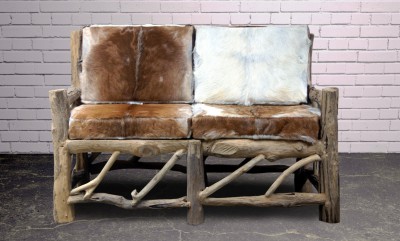
Indonesia Green Furniture | Reclaimed and Recycle Furniture Along with the increasing public awareness of the environment around them, seeing a item around us raises an idea and inspiration to contribute in saving and protecting the earth from environmental damage and everything that smells of recycling is now increasingly interested in the community to produce […]
Strategic Sourcing Guide: Vetting Reclaimed Furniture Manufacturers
Sourcing bulk inventory through dedicated reclaimed furniture manufacturers allows commercial buyers, interior designers, and hospitality procurement teams to secure authentic, character-rich timber without compromising structural longevity. As international demand for sustainable timber solutions surges, commercial purchasers face a crowded marketplace of suppliers offering varying levels of authenticity, material traceability, and industrial seasoning standards.
Navigating the circular timber market requires looking past rustic surface aesthetics. Sourcing high-performing salvage timber requires partnering with production facilities that treat discarded wood through strict moisture balancing, metal-extraction protocols, and precision joinery.
This tag archive compiles our core technical guides, material comparisons, and manufacturing insights to guide procurement decisions for residential lines, boutique hotel fit-outs, or retail rollouts.
```
[Raw Salvage Inflow] (Old Buildings, Demolished Houses, Decommissioned Boats)
│
▼
[Manual De-Nailing & Metal Detection]
│
▼
[Kiln-Drying & Moisture Balancing (8%–12% MC)]
│
▼
[Structural Joinery & Precision Dimensioning]
│
▼
[Export-Ready Finishing & SVLK Auditing]
```
Essential Criteria for Evaluating Industrial Wood Reclaimers
Selecting reliable reclaimed furniture manufacturers demands strict operational audits. Secondary wood possesses internal stress patterns, hidden fasteners, and fluctuating moisture content from decades of environmental exposure. Industrial-scale processors mitigate these risks through structured staging:
1. Documented Timber Provenance: Reliable processors document origin chains, verifying whether lumber originates from dismantled Javanese structures, decommissioned fishing perahus, or certified infrastructure salvage under Indonesia’s SVLK legal timber verification framework.
2. Standardized Kiln Conditioning: Salvaged teak and hardwood must undergo controlled re-drying down to an export-safe 8%–12% moisture range to prevent warping across disparate export climates.
3. Hardware Extraction Protocols: Industrial workshops utilize multi-stage metal detection to locate oxidized iron nails, bolts, and mortise pins before machining, preserving tool edges and ensuring smooth internal structural bonds.
4. Adaptive Structural Joinery: Master carpenters utilize traditional mortise-and-tenon construction alongside modern marine polyurethane adhesives, accommodating organic expansion gaps inherent in aged timber.
Comparative Evaluation: Salvage Teak vs. Virgin Plantation vs. Composite Alternatives
Procurement decisions balance sustainability credentials, unit durability, and volume lead times. The following comparison highlights performance factors across commercial material selections:
| Evaluation Factor | Reclaimed Teak (Salvaged Structural / Boat Wood) | Certified Plantation Teak (Perum Perhutani) | Engineered Wood / Composite (MDF / Veneer) |
|---|---|---|---|
| Material Origin | Decommissioned boats, bridges, heritage dwellings | Managed commercial forests (20–30 year cycles) | Industrial wood waste, resin binders, veneer sheets |
| Grain Density & Stability | High (aged 60–100+ years, natural resin curing) | Moderate to High (dependent on harvest age) | Low (prone to swelling under high relative humidity) |
| Embodied Carbon Profile | Minimal (diverts demolition timber from disposal) | Moderate (offset by replanting rotations) | High (energy-intensive chemical production) |
| Aesthetic Uniqueness | Distinct weathering, historical mortise cuts, patina | Uniform linear grain, predictable color tone | Artificial pattern repetition, minimal depth |
| Commercial Durability | Exceptional rot and moisture resistance | Reliable structural performance | Low impact tolerance, prone to delamination |
| Price Point Stability | Stable value driven by material rarity | Regulated market auctions, cyclic spikes | Volatile based on petrochemical and resin supply |
Navigating Our Reclaimed Furniture Knowledge Cluster
Browse the technical articles curated under this tag to refine material selection, design development, and vendor evaluation:
Raw Material Handling and Timber Waste Upcycling
- Recycled of Solid Wood Waste: Analysis of recovery ratios, conversion yields, and methods for turning structural demolition offcuts into commercially viable furniture components.
- Let's start going Go green with reclaimed furniture: A strategic roadmap for retailers transitioning core collections to sustainable wood sources without sacrificing profit margins.
Finishing Technologies and Interior Concepts
- Beautiful Industrial Furniture by Painting: Examines hand-finishing, distressed powder coatings, and stabilizing protective layers applied over weathered architectural wood.
- Green Furniture Concept in the Living Room: Case studies on arranging heavy-timber reclaimed centerpieces, balancing rustic focal points against minimalist commercial interiors.
Quality Benchmarks: What Commercial Buyers Must Verify
Before issuing a commercial Purchase Order (PO) or commissioning customized production runs, ensure supply partners maintain clear operational verification protocols:
- Kiln Calibration Records: Demand moisture meter inspection logs on finished batch samples before container loading.
- Pest Treatment Protocols: Confirm export-ready fumigation and chemical-free thermal treatments targeting wood-boring insects.
- Hardware Specifications: Ensure contract lines incorporate commercial-grade, non-corrosive joining hardware tailored to the target market's climate.
Streamlining Your Sustainable Supply Chain
Scaling a commercial furniture portfolio requires consistent manufacturing capacity, reliable material pipelines, and meticulous build execution. Working directly with specialized Indonesia Green Furniture Manufacturer partnerships bridges the gap between raw reclaimed salvage and standardized, export-ready B2B production.
Contact our production team to discuss custom OEM hospitality requirements, container-load wholesale programs, or to review certified timber compliance documentation.